How to Choose the Best Low Voltage Cable Installer for Your Business
In today’s fast-paced business environment, reliable technology and connectivity are crucial. Whether it’s for high-speed internet, VoIP phone systems, security cameras, or smart office automation, the foundation of these systems is proper low voltage cabling. Choosing the right low voltage cable installer can make the difference between smooth operations and constant technical frustrations.
A professional installer ensures that your
cabling infrastructure is reliable, organized, compliant with local codes, and ready for future expansions. This guide explores how to evaluate installers, what services they provide, and the key considerations for making the best choice for your business.
Key Takeaways
- Professional installers provide reliable, compliant, and organized cabling for offices and commercial spaces.
- Choosing the right installer saves time, reduces errors, and prevents future connectivity problems.
- Experience, certifications, and a strong portfolio are crucial factors in selecting a cable installer.
- Structured cabling supports future growth and integration with smart office technologies.
- Clear communication and transparent pricing ensure your project stays on schedule and budget.
- Regular maintenance and testing by professionals protect the longevity of your network systems.
Why Low Voltage Cabling Matters for Businesses
Low voltage cabling Low voltage cabling is designed to carry signals for telecommunications, data transfer, and low power applications. Unlike high voltage wiring, it supports the following critical systems:
- Data networks – Ethernet, fiber optic, and structured cabling for reliable internet access.
- Security systems – Surveillance cameras, alarms, and access control systems.
- Audio-visual systems – Conference rooms, projectors, and digital signage.
- Smart office automation – Lighting, climate control, and IoT devices.
- VoIP phone systems – High-quality voice communication without interference.
Without professional installation, businesses risk unreliable connectivity, network downtime, and increased maintenance costs. Investing in a qualified low voltage cable installer ensures your systems perform efficiently while meeting safety and building code requirements.
Key Services Offered by Low Voltage Cable Installers
Professional low voltage cable installers provide a range of services beyond simply running wires. Some of the most common offerings include:
- Consultation and site assessment – Evaluate your business layout and recommend the ideal cabling solution.
- Structured cabling installation – Includes Ethernet, fiber optic, and coaxial systems organized neatly for reliability.
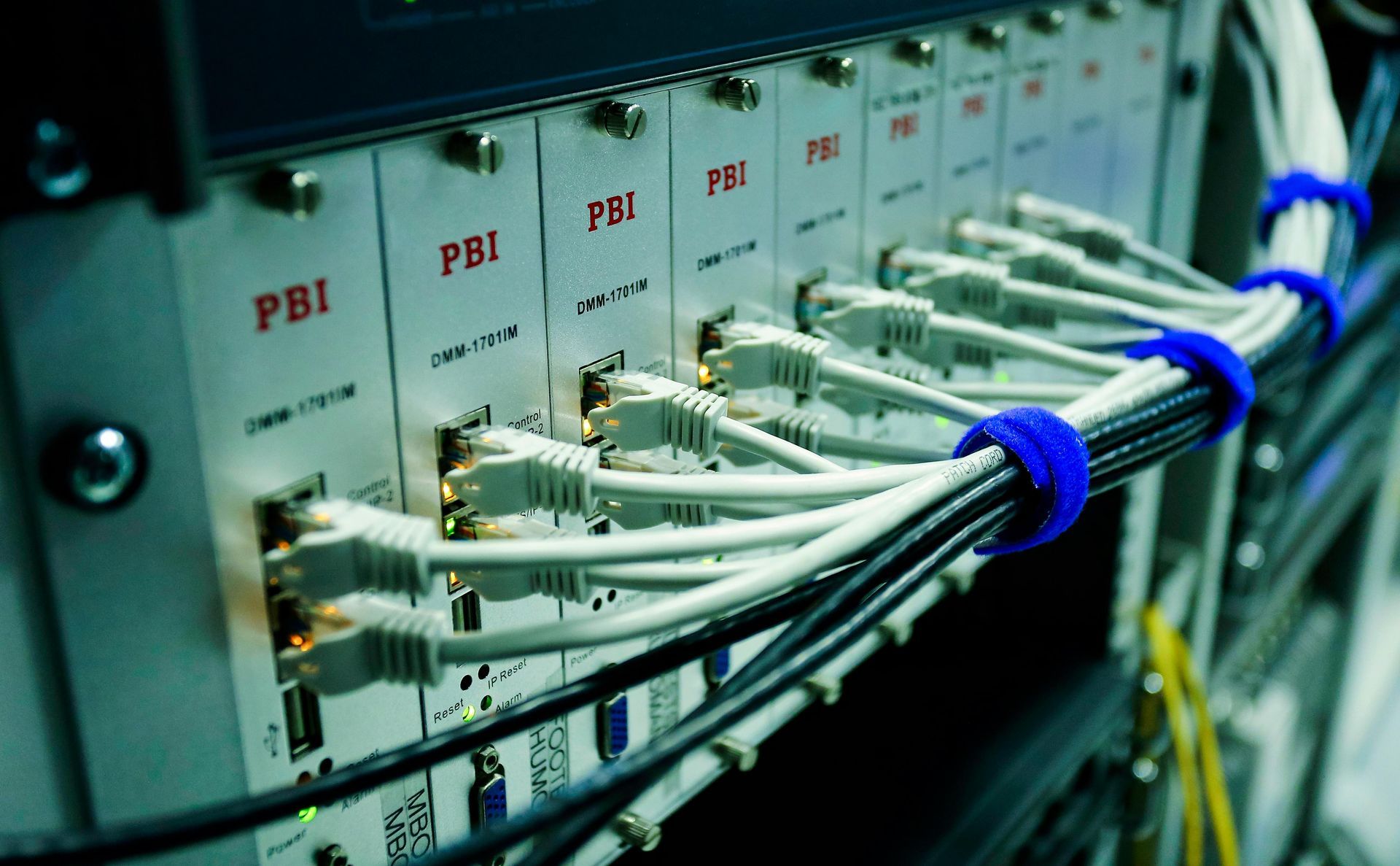
- Network room setup – Patch panels, server racks, switches, and other network infrastructure components.
- Security and surveillance wiring – CCTV, alarms, and access control systems wired efficiently.
- Smart office automation wiring – Integration of IoT devices, smart lighting, and climate control systems.
- Testing and certification – Ensures all cables meet performance standards and are labeled for easy troubleshooting.
- Maintenance and upgrades – Ongoing service to maintain optimal performance and adapt to new technologies.
Professional installation reduces the likelihood of errors that can lead to costly downtime or equipment damage.
How to Evaluate Low Voltage Cable Installers
Selecting the right installer is a critical step. Here are some factors to consider:
Experience and Portfolio
- Years of experience – Look for installers with substantial experience in commercial projects.
- Relevant projects – Check whether they have handled similar business environments or industry-specific requirements.
- Portfolio review – Examine photos or case studies showing organized installations and quality workmanship.
Experience indicates that the installer can handle challenges and provide practical solutions for complex cabling projects.
Certifications and Licensing
Professional certification ensures an installer has met industry standards. Look for credentials such as:
- BICSI certification – Recognized standard for telecommunication cabling professionals.
- Manufacturer certifications – For fiber optic or network equipment brands.
- State or local licensing – Ensures compliance with building codes and permits.
Certified installers not only follow best practices but also enhance your company’s credibility when it comes to safety and compliance.
Range of Services
Check that the installer can handle all your cabling needs, including:
- Structured cabling and network installation
- Security system wiring
- Audio-visual system installation
- Smart office automation integration
- Testing and maintenance
A full-service installer reduces the need for multiple contractors and simplifies project management.
Customer Reviews and References
Ask for references and read online reviews. Key questions to ask past clients:
- Was the project completed on time?
- Was the budget adhered to?
- How was communication during the installation process?
- Were any issues resolved promptly?
- Would you hire the installer again?
Positive feedback from other businesses signals a reliable and professional installer.
Transparent Pricing
Request detailed estimates with itemized costs for labor, materials, and equipment. Important points include:
- Written contract outlining scope, timeline, and payment schedule
- Explanation of change orders or additional fees
- Warranty and post-installation support
Clear pricing prevents misunderstandings and keeps projects within budget.
Communication and Project Management
Professional installers maintain clear communication throughout the project:
- Provide regular progress updates
- Offer guidance on cable management and system design
- Clarify responsibilities and timelines
- Coordinate with other contractors or departments
Good communication reduces errors, saves time, and ensures expectations are met.
Types of Low Voltage Cabling for Businesses
Choosing the right cable type ensures system performance and longevity. The following table provides a summary of common low voltage cables used in business environments:
| Cable Type | Applications | Typical Speed / Distance | Key Benefits |
|---|---|---|---|
| Cat5e | Ethernet, VoIP phones | 1 Gbps / 100 meters | Affordable, reliable for basic networks |
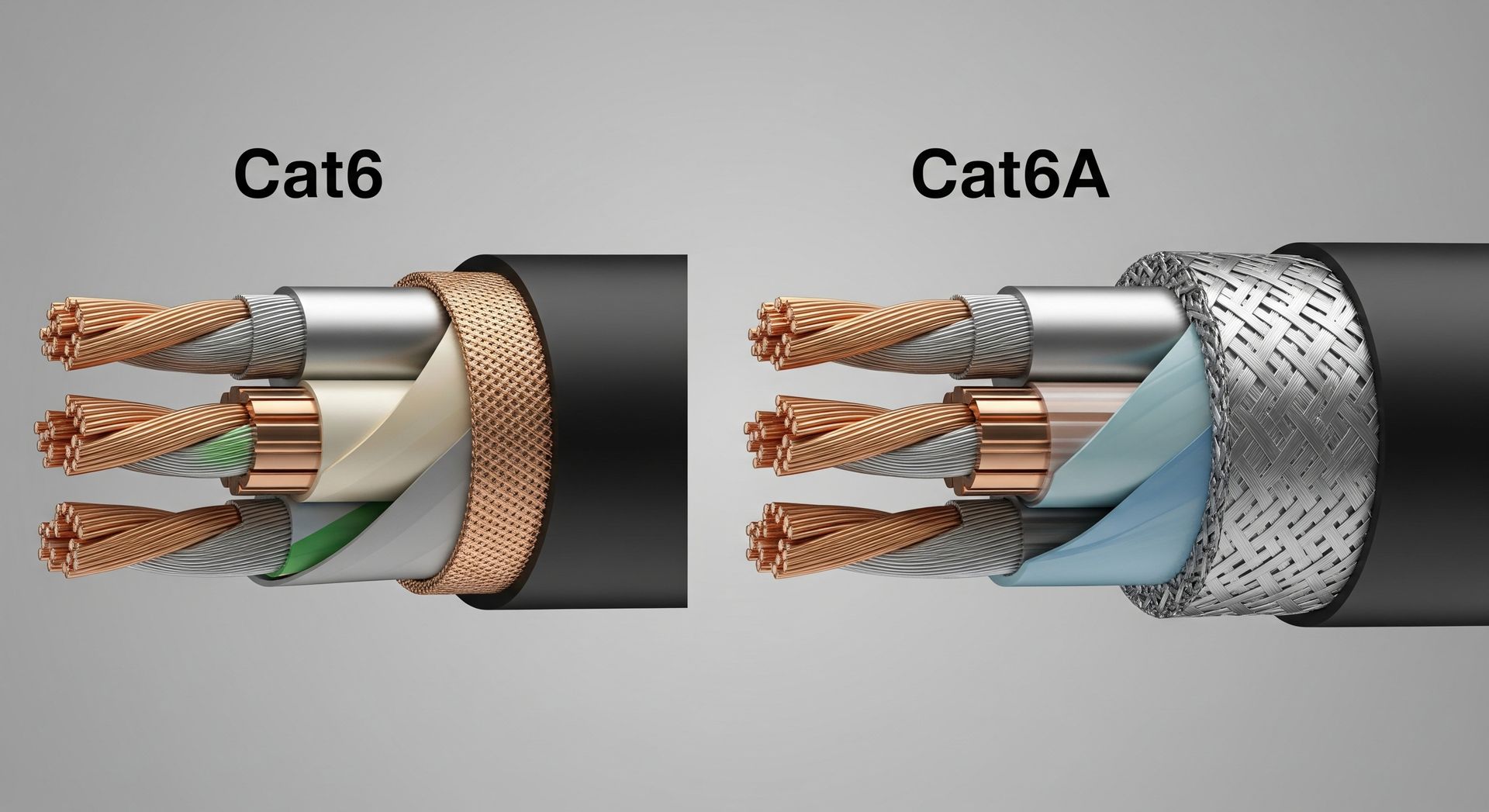
| Cat6 | High-speed Ethernet, office networks | 10 Gbps / 55 meters | Reduced interference, faster speeds |
| Cat6a | Enterprise networks | 10 Gbps / 100 meters | Future-proof, low crosstalk |
| Cat7 | Large office buildings, data centers | 10-40 Gbps / 100 meters | Shielded, high-speed, supports multiple applications |
| Coaxial | CCTV, video transmission | Varies / up to 1 Gbps | Stable video and analog signal |
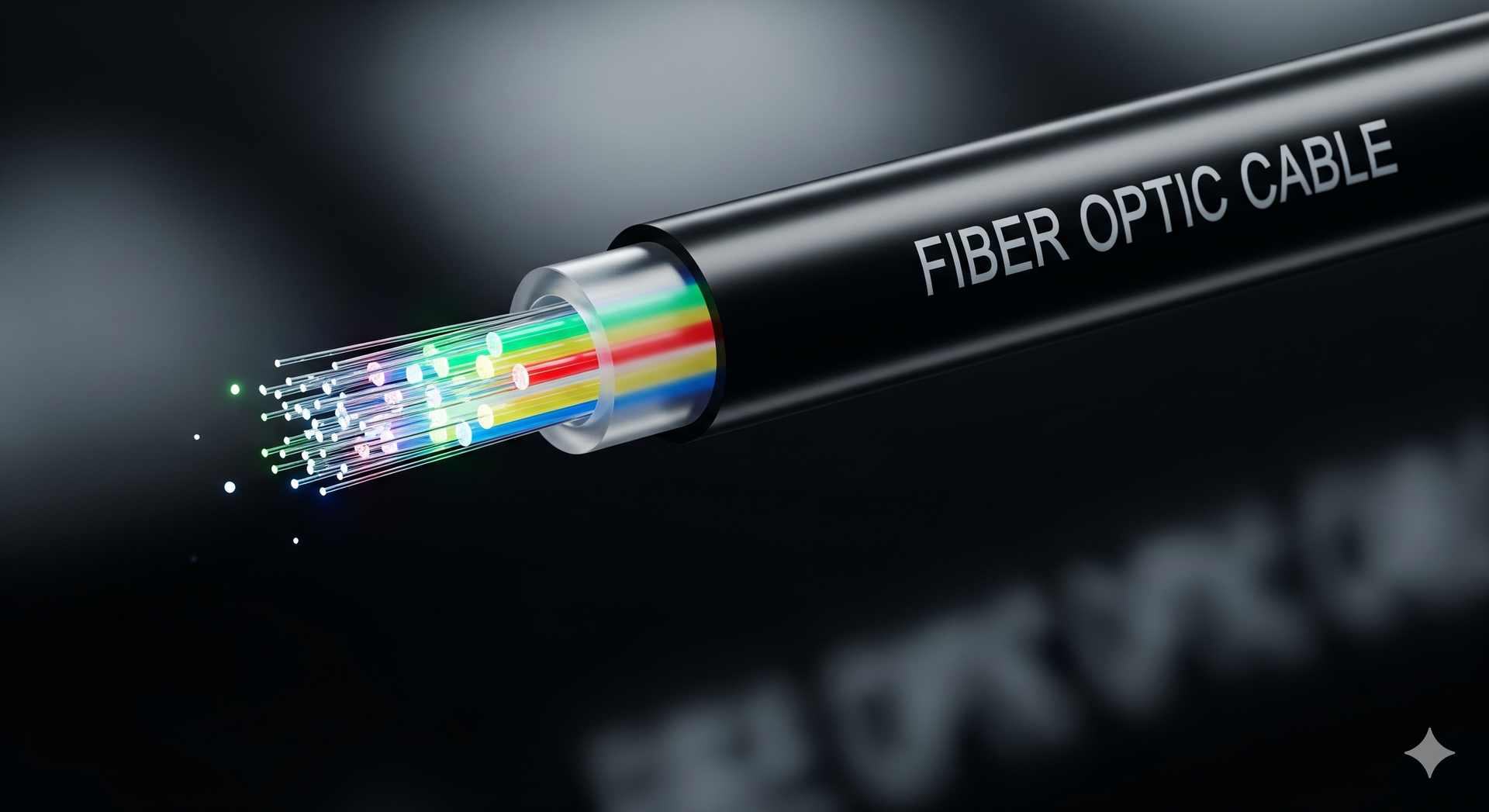
| Fiber Optic | Long-distance network backbone | 100 Gbps+ / miles | Extremely high-speed, minimal signal loss |
Selecting the right type depends on your business needs, expected network load, and plans for future expansion.
Benefits of Structured Cabling
Structured cabling provides a standardized approach to cable management, offering advantages such as:
- Organization – Cables run neatly through conduits and labeled for easy troubleshooting.
- Scalability – Easy to expand or modify as the business grows.
- Reduced downtime – Fewer mistakes and easier maintenance reduce system disruptions.
- Better performance – Proper routing and separation minimize interference and signal degradation.
- Cost savings – Prevents future rework when adding devices or upgrading systems.
Structured cabling is particularly valuable for offices with multiple departments, floors, or complex IT infrastructure.
Common Mistakes to Avoid When Choosing an Installer
Avoiding the following mistakes can save time, money, and stress:
- Hiring based solely on the lowest price
- Overlooking certifications or licensing
- Failing to check past project experience
- Not requesting references or reading reviews
- Skipping a detailed written contract
By taking the selection process seriously, you can ensure a smooth installation and reliable network performance.
Preparing for Installation
Before installation begins, businesses should:
- Determine the locations for all network, security, and automation devices
- Identify future expansion plans to guide cable routing
- Ensure access to wiring pathways, ceilings, or walls
- Communicate with all departments to minimize disruption
- Keep a backup of critical systems during installation
Proper preparation ensures the installer can work efficiently and reduces potential interruptions to business operations.
Testing and Certification
After installation, testing and certification are critical:
- Cable continuity – Ensures no breaks in the wiring
- Network speed testing – Confirms cables support the desired bandwidth
- Signal integrity testing – Detects interference or weak connections
- Label verification – Confirms each cable is correctly identified for troubleshooting
Certified testing provides peace of mind that your network is reliable and ready for operation.
Maintenance and Upgrades
Low voltage systems require ongoing maintenance to ensure optimal performance:
- Regular inspections for wear or damage
- Testing of network performance and security systems
- Updating network configurations or firmware
- Adding new cables or rerouting for additional devices
- Cleaning and organizing network rooms or server racks
Working with a professional installer ensures your system remains current and minimizes downtime.
Frequently Asked Questions
How do I choose the right low voltage cable installer for my business?
Look for experience, certifications, references, range of services, and transparent pricing.
What types of cables are best for office networks?
Cat6 or Cat6a cables are typically recommended for high-speed business networks.
How long does installation take?
Installation time varies based on the size of the business, number of devices, and complexity of the network.
Can an installer integrate smart office devices with existing cabling?
Yes. Professional installers can connect automation systems, IoT devices, and VoIP systems seamlessly.
Do low voltage systems require regular maintenance?
Yes. Periodic inspections and updates are essential for optimal performance and longevity.
Final Thoughts
Choosing the best low voltage cable installer is critical for businesses seeking reliable, high-performance networks. From structured cabling and office networking to security and smart automation, professional installers ensure systems are efficient, safe, and scalable.
By evaluating experience, certifications, customer feedback, and service offerings, businesses can make informed decisions that save time, reduce errors, and support growth. Structured cabling, proper testing, and ongoing maintenance further protect your investment and minimize downtime.
Investing in a qualified installer ensures your office infrastructure is ready to meet current and future demands, providing the foundation for seamless operations, productivity, and connectivity.
Call us today to schedule a consultation and let our experienced team design, install, and maintain the network infrastructure your business needs for reliable performance and future growth.
Reference:
https://www.gomultilink.com/blog/multilog/types-of-fiber-optic-connectors
Share this article