Is Fiber Optic Cabling Worth the Investment?
Modern businesses face increasing demands for faster, more reliable network infrastructure as digital transformation accelerates across industries. Fiber optic cabling has emerged as the gold standard for enterprise networking, offering unmatched speed and reliability compared to traditional copper cabling systems. The exponential growth in data consumption, cloud computing adoption, and bandwidth-intensive applications has created a compelling case for investing in optical fiber infrastructure.
Understanding the true value proposition of fiber optic networks involves examining factors beyond the initial installation costs. From bandwidth capabilities and future-proofing benefits to maintenance requirements and operational efficiency gains, the investment decision depends on multiple variables that vary by organization size, industry, and growth projections.
Key Takeaways
- Fiber optic cabling delivers significantly higher bandwidth and faster data transmission compared to copper alternatives
- Initial fiber optic cable installation costs are higher but provide better long-term ROI through reduced maintenance and energy consumption
- Single-mode fiber optic cable offers superior distance capabilities and future-proofing for expanding networks
- Professional fiber optic installation ensures optimal performance and minimizes potential connectivity issues
- Switch optic compatibility and fiber optic connector types significantly impact network flexibility and scalability
- Organizations experiencing bandwidth limitations or planning network expansion benefit most from fiber optic infrastructure
Performance and Speed Advantages of Optical Fiber
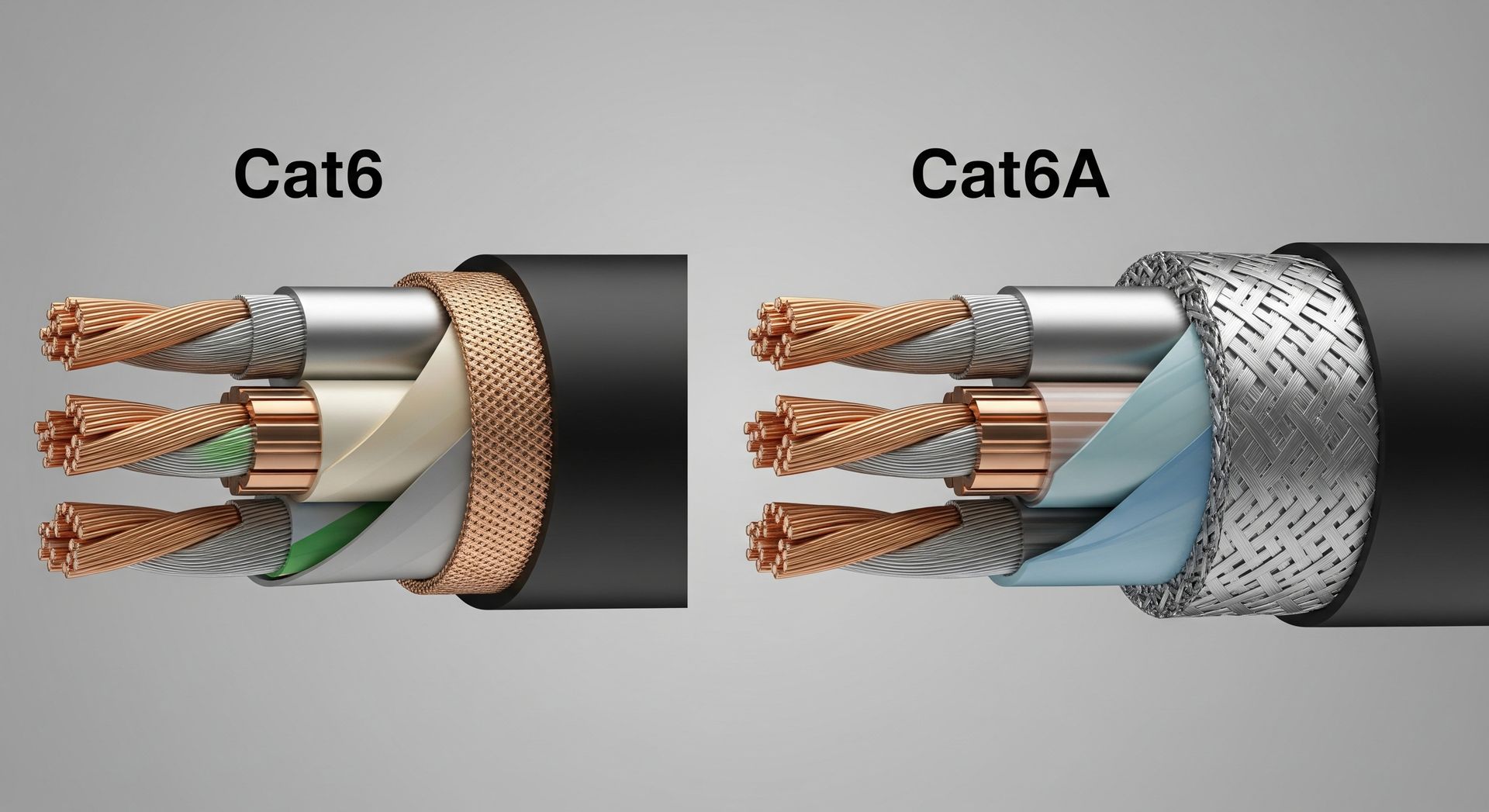
Fiber optic networks provide substantial performance improvements over traditional copper infrastructure. Their fundamental advantage lies in how optical fiber transmits data using light signals rather than electrical impulses, enabling significantly higher bandwidth capabilities and faster data transfer rates. This technological approach eliminates many physical limitations that constrain copper-based systems, particularly regarding distance and electromagnetic interference susceptibility.
The physics of light transmission through optical fiber enables data speeds that far exceed the capabilities of copper. While traditional copper cabling typically maxes out at gigabit speeds over meaningful distances, fiber optic networks routinely support 10, 40, and even 100 Gigabit transmission rates. These speed capabilities become increasingly important as organizations deploy bandwidth-intensive applications, including high-definition video conferencing, large file transfers, and cloud-based software solutions.
Environmental resilience is another significant advantage of optical fiber infrastructure. Unlike copper cabling that can suffer from corrosion, oxidation, and electrical interference, fiber optic cables maintain consistent performance under different environmental conditions. This reliability reduces network downtime and maintenance requirements while ensuring predictable performance for mission-critical business applications. Security considerations also favor fiber optic cabling, as optical signals cannot be intercepted through electromagnetic emanation monitoring, providing enhanced data protection compared to copper alternatives.
Cost Analysis and Return on Investment
Understanding the financial implications of fiber optic cabling requires examining both upfront costs and long-term operational expenses. While initial fiber optic installation typically requires higher capital investment than copper alternatives, the total cost of ownership often favors optical fiber over extended periods. Organizations must consider multiple cost factors, including equipment, installation labor, ongoing maintenance, energy consumption, and eventual replacement cycles.
| Cost Factor | Copper Cabling | Fiber Optic Cabling |
|---|---|---|
| Initial Installation | Lower upfront cost | Higher initial investment |
| Maintenance | Regular replacement needed | Minimal maintenance required |
| Energy Consumption | Higher power requirements | Lower power consumption |
| Lifespan | 10-15 years typical | 25+ years with proper care |
The extended lifespan of fiber optic infrastructure significantly impacts total cost calculations. Professional fiber optic cable installation ensures optimal performance and longevity, reducing replacement frequency and associated downtime costs. Energy efficiency is another attractive financial advantage, with optical fiber systems typically consuming less power than equivalent copper infrastructure. Organizations considering fiber optic networks should evaluate their growth projections and bandwidth requirements over extended timeframes.
Productivity gains from improved network performance often provide the most significant ROI for fiber optics. Faster file transfers, reduced application latency, and eliminated network bottlenecks contribute to enhanced employee efficiency and customer satisfaction. Organizations frequently report measurable improvements in video conferencing quality, database performance, and cloud application responsiveness following fiber optic network implementation. These productivity improvements, while difficult to quantify precisely, often represent the most substantial business value from fiber optic infrastructure investment.
Installation Considerations and Infrastructure Requirements
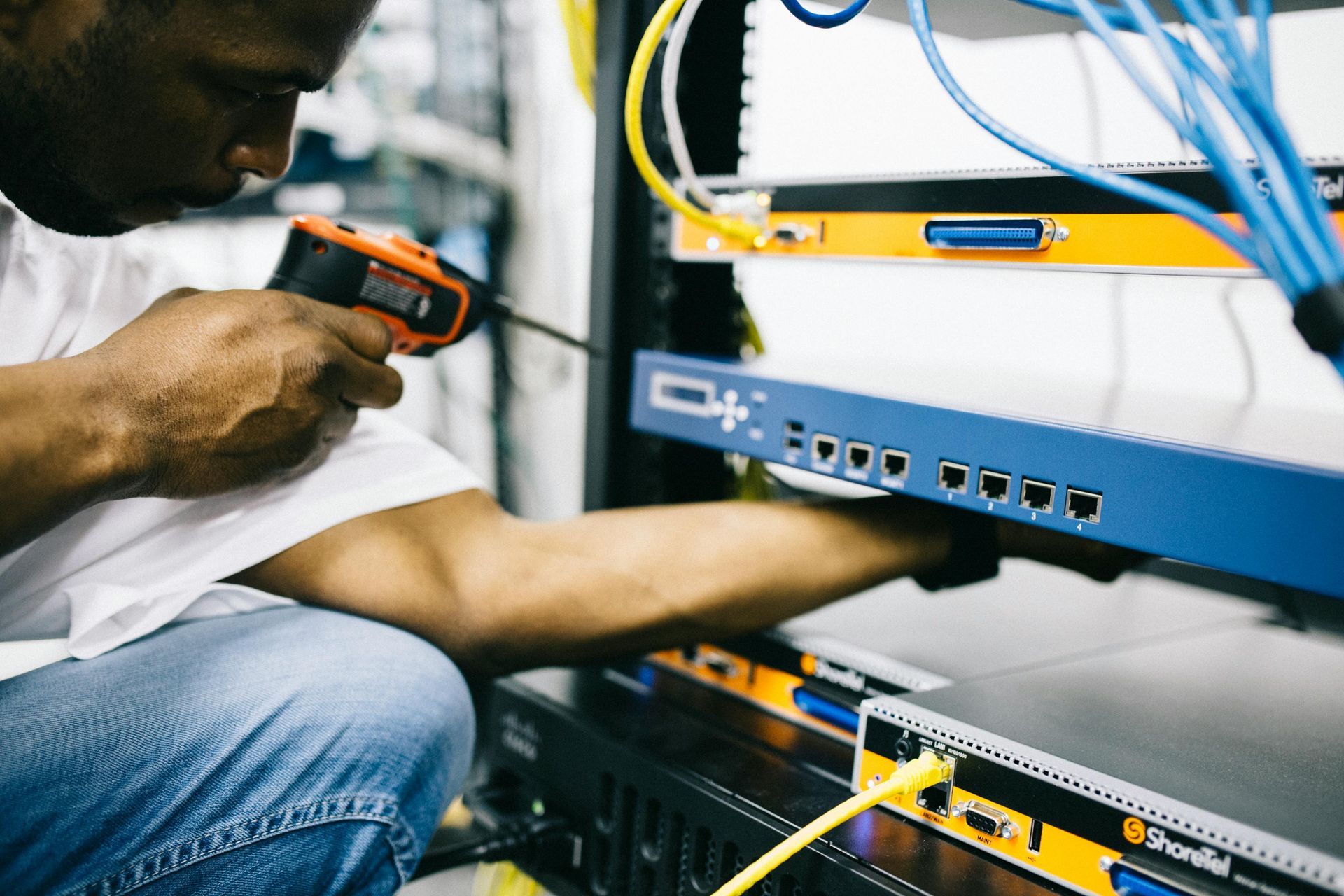
A successful fiber optic installation needs careful planning and specialized expertise that extends beyond traditional copper cabling projects. Unlike copper cabling, optical fiber demands precise handling procedures, specific environmental considerations, and specialized testing equipment to ensure optimal performance and prevent damage during installation. The complexity of fiber optic installation makes professional expertise essential, as improper techniques can result in permanent performance degradation.
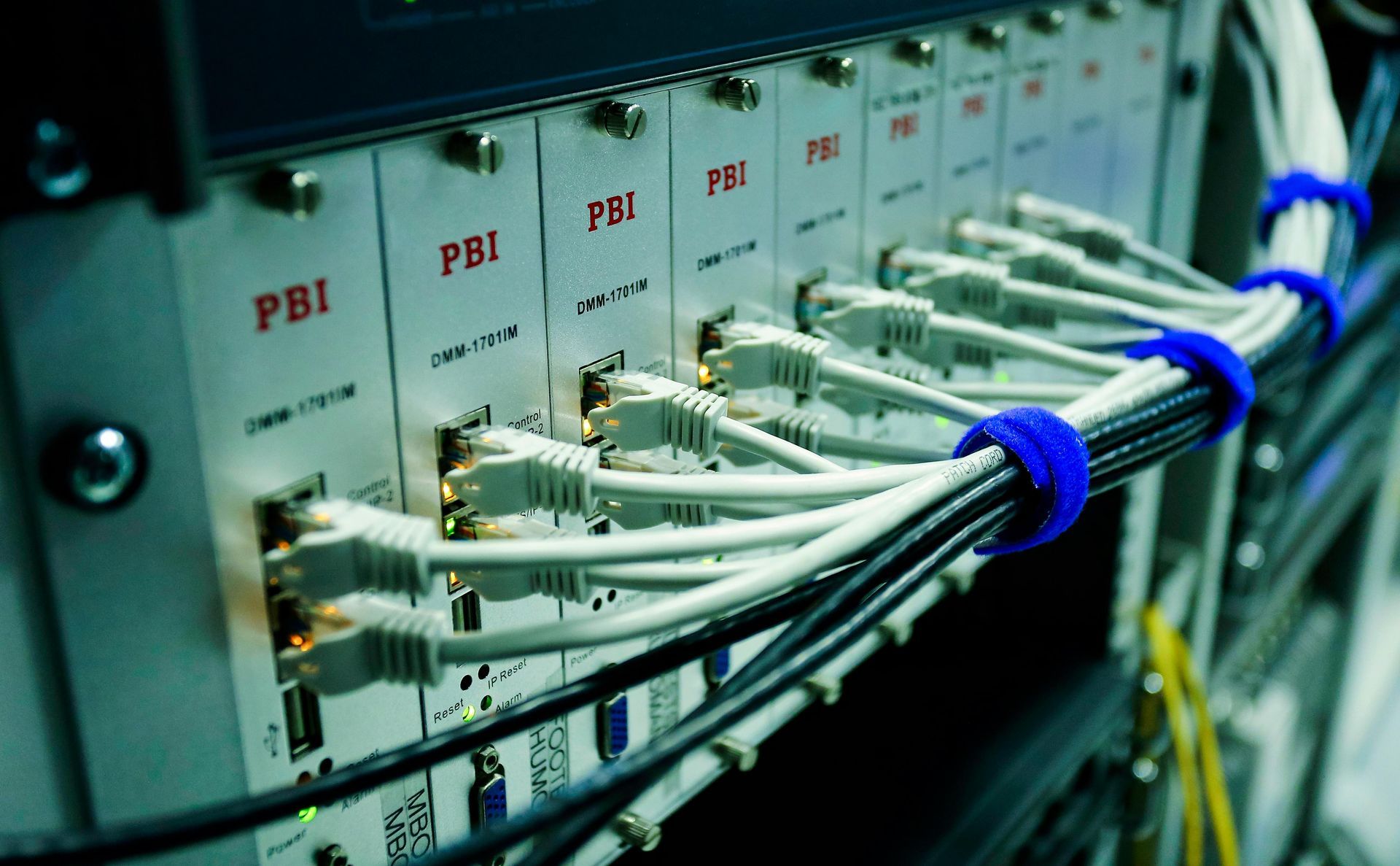
Critical installation factors include bend radius limitations for fiber optic cable core protection, environmental protection requirements including temperature stability and moisture control, proper fiber optic connector selection based on network equipment compatibility, and comprehensive testing procedures to verify signal quality and network performance. Documentation requirements, including cable labeling and pathway mapping ensure future maintenance and troubleshooting capabilities.
Pre-installation planning phases typically require detailed site surveys, pathway analysis, and equipment compatibility assessments. Professional installers evaluate existing conduit systems, identify potential interference sources, and plan cable routing to minimize installation challenges and future maintenance requirements. This planning phase directly impacts installation success and long-term system reliability, making thorough preparation a critical investment component that influences both immediate project success and ongoing operational performance.
Fiber Optic Connector Types and Compatibility
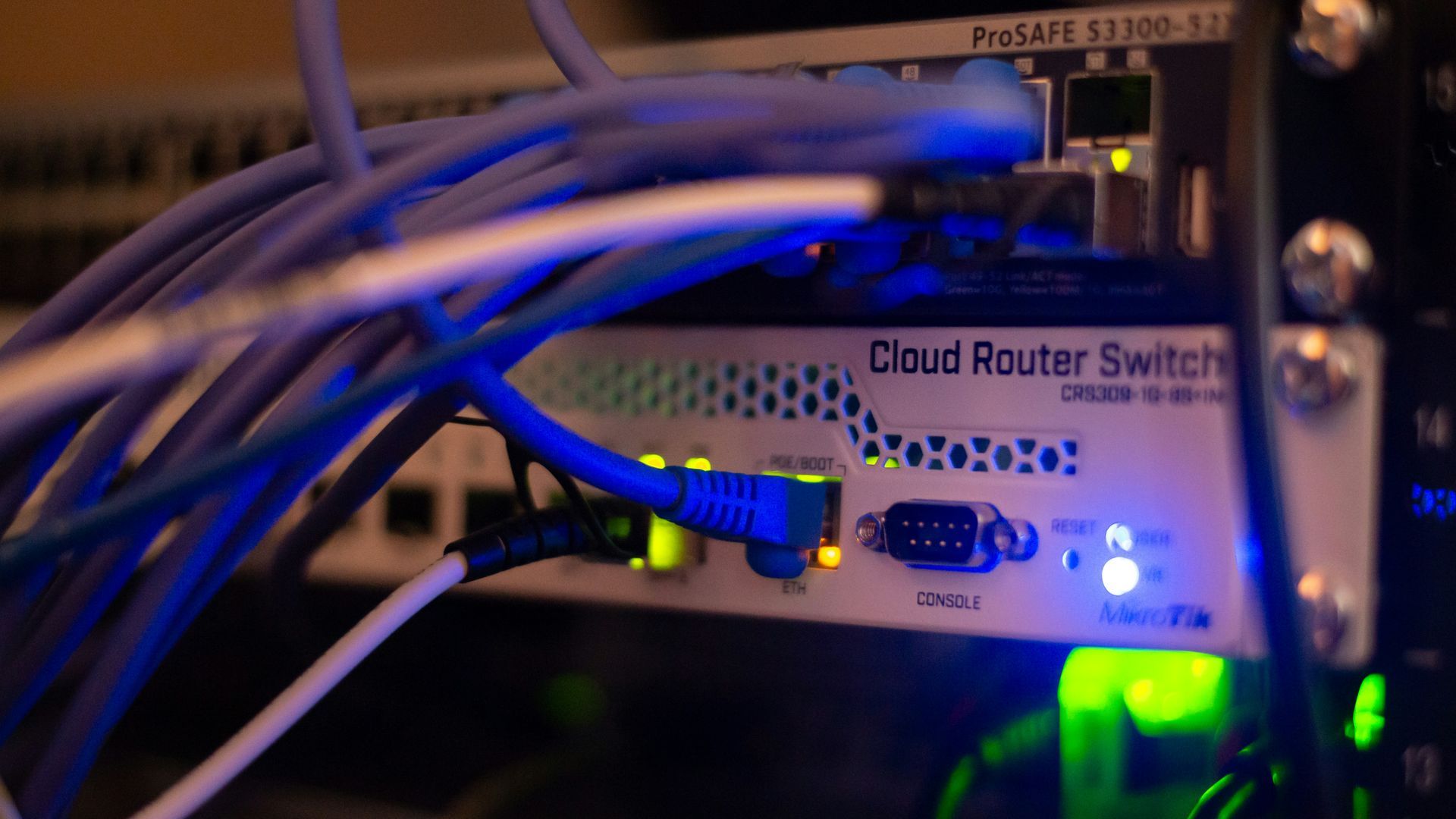
Understanding fiber optic connector types is essential for ensuring network compatibility and optimal performance. Different connector types serve specific applications, including SC (Subscriber Connector) for general networking applications, LC (Lucent Connector) for high-density installations, and ST (Straight Tip) for legacy equipment compatibility. Switch optic compatibility represents another crucial consideration, as modern network switches support hot-swappable optical transceivers, allowing organizations to adapt their fiber optic networks to changing requirements without replacing core infrastructure.
Technical Specifications and Network Scalability
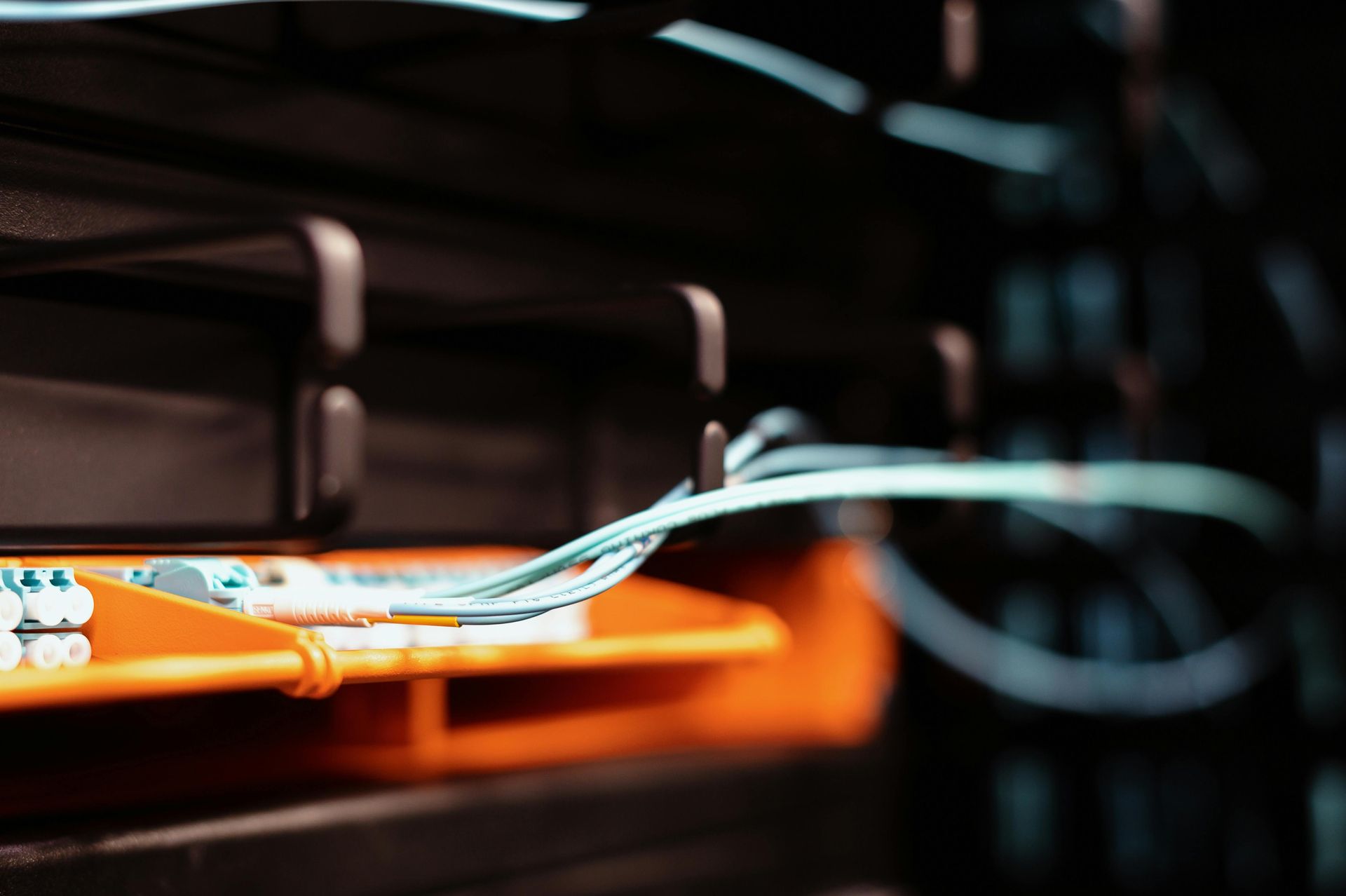
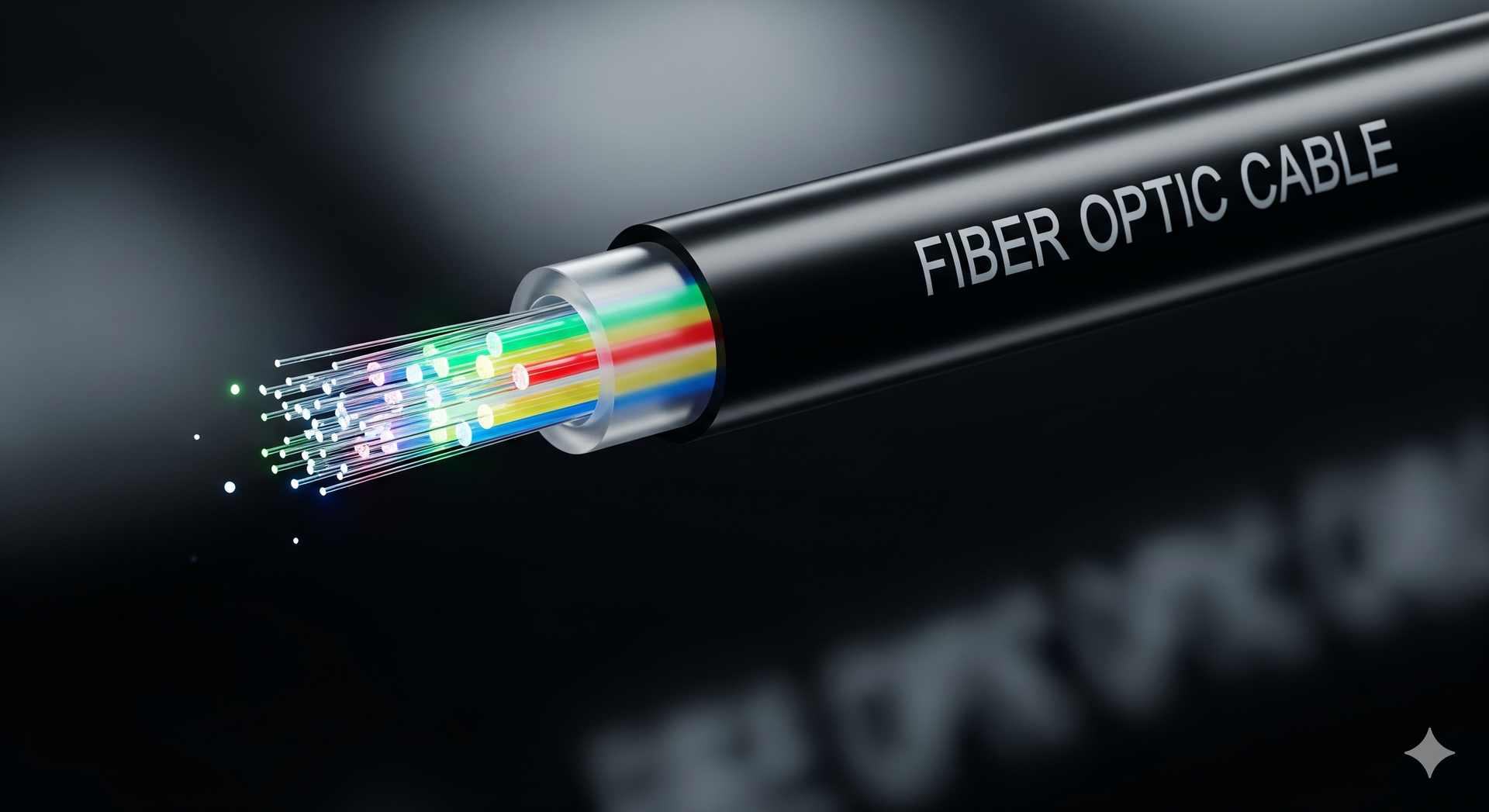
The technical capabilities of modern fiber optic networks provide substantial advantages for organizations planning network expansion or requiring high-performance connectivity. Examining what is inside fiber optic cable reveals sophisticated engineering with multiple glass or plastic optical fibers protected by buffer coatings, strength members, and outer jackets designed to protect against environmental factors and physical stress.
Different types of optical fiber serve specific applications and distance requirements. Multimode fiber works well for shorter distances within buildings or campus environments, with newer generations supporting higher speeds and longer distances than earlier versions. Single-mode fiber cable supports long-distance transmission and maximum bandwidth capacity, making it ideal for building-to-building connections and campus backbone applications. Network scalability represents one of the most compelling advantages, as fiber optic networks can accommodate dramatic speed increases through equipment upgrades alone, without replacing installed cabling. This capability provides substantial cost savings during technology transitions and protects infrastructure investments over extended periods.
Industry-Specific Applications and Benefits
Healthcare organizations benefit from fiber optic networks supporting medical imaging systems, electronic health records, and telemedicine platforms. The immunity to electromagnetic interference becomes particularly important near sensitive diagnostic equipment. Educational institutions leverage fiber optic infrastructure for digital learning platforms, video streaming, and research applications requiring substantial data transfer capabilities between campus buildings.
Manufacturing environments present unique challenges due to electromagnetic interference from industrial equipment and harsh environmental conditions. Fiber optic cabling provides complete immunity to electromagnetic noise, ensuring consistent network performance even with heavy machinery and electrical systems. Additionally, the ruggedized fiber designs available for industrial applications can withstand temperature extremes, vibration, and chemical exposure common in manufacturing facilities. Financial services organizations require ultra-low latency for trading systems and benefit from the enhanced security characteristics of optical fiber for protecting sensitive transaction data from potential interception.
Future-Proofing and Long-Term Strategic Value
Investment in fiber optic cabling provides significant future-proofing benefits beyond current network requirements. As businesses increasingly rely on bandwidth-intensive applications, including cloud computing, artificial intelligence, and emerging technologies, optical fiber infrastructure offers the capacity to support evolving demands without requiring infrastructure replacement.
The inherent capacity of fiber optic cable core technology far exceeds current utilization levels in most installations, providing substantial headroom for growth and technology evolution. Current installations typically utilize only a small fraction of available fiber capacity, leaving ample room for future expansion and technology adoption. Emerging technologies such as artificial intelligence, IoT sensor networks, and high-definition video collaboration will continue driving bandwidth demands higher, making fiber optic networks a strategic asset for maintaining competitive operations. The standardization of fiber optic technology ensures long-term compatibility and equipment availability, reducing technology obsolescence risks compared to proprietary solutions.
Frequently Asked Questions
How much does fiber optic cable installation typically cost compared to copper?
Fiber optic installation generally costs more initially than copper cabling due to specialized equipment and expertise requirements. However, the total cost of ownership over time often favors fiber optic cabling due to lower maintenance needs and reduced energy consumption.
What are the main differences between single-mode and multimode fiber optic cable?
Single-mode fiber optic cable uses a smaller core diameter and supports longer transmission distances with higher bandwidth capacity. Multimode fiber has a larger core and is more suitable for shorter distances within buildings or campus environments.
How long does professional fiber optic installation take for a typical office building?
Installation timeframes vary based on building size and complexity, but typical office buildings require several weeks for complete fiber optic network installation. Planning and design phases add additional time before physical installation begins.
Can existing network equipment work with new fiber optic cabling?
Most modern network equipment supports fiber optic connections through compatible switch optic modules or built-in fiber ports. Older equipment may require media converters or upgrades to take advantage of fiber optic network capabilities.
What maintenance requirements do fiber optic networks have?
Fiber optic networks require minimal maintenance compared to copper infrastructure, primarily involving periodic cleaning of fiber optic connectors and visual inspections. The absence of electrical corrosion and electromagnetic interference significantly reduces maintenance needs and associated costs.
Final Thoughts
The investment decision for fiber optic cabling ultimately depends on an organization's specific requirements, growth projections, technology strategy, and industry-specific demands. While initial costs are higher than copper alternatives, the comprehensive analysis of long-term benefits including superior performance, reduced maintenance requirements, energy efficiency gains, and future-proofing capabilities often justify the investment for businesses planning sustained growth or requiring high-performance networking solutions. The scalability advantages, reliability improvements, and strategic positioning benefits of optical fiber infrastructure provide compelling value propositions across diverse industry sectors.
Organizations experiencing bandwidth limitations, planning facility expansions, supporting bandwidth-intensive applications, or requiring reliable long-distance connectivity will find fiber optic networks provide substantial operational and strategic value. The key to successful implementation lies in working with experienced professionals who understand the technical requirements, industry-specific considerations, and can design solutions that align with both current operational needs and future business objectives. Proper planning, professional fiber optic cable installation, and thoughtful system design ensure that fiber optic cabling investments deliver expected returns and support business operations effectively for decades to come, providing the foundation for continued technology adoption and competitive advantage.
Ready to upgrade to fiber optic cabling? Contact our certified installation experts for a free network assessment and quote today
Reference:
https://www.gomultilink.com/blog/multilog/types-of-fiber-optic-connectors
Share this article