Benefits of Structured Cabling in Retail Environments
Modern retail environments depend on reliable, high-performance network infrastructure to support everything from point-of-sale systems to inventory management and customer Wi-Fi. A well-designed structured cabling system forms the backbone of these critical business operations, providing the foundation for seamless connectivity across your entire retail space. Unlike temporary or patchwork network solutions, structured cabling delivers consistent performance, scalability, and long-term cost savings that can transform how your retail business operates.
New technologies used in retail like mobile payment systems, digital signage, security cameras, and IoT devices require robust network infrastructure. A professional structured cabling installation ensures that your retail environment can adapt to its changing needs while maintaining optimal performance and reliability. This comprehensive approach to network infrastructure planning helps retailers avoid costly downtime, improve operational efficiency, and create better customer experiences.
Key Takeaways
- Enhanced Reliability: Structured cabling systems significantly reduce network downtime and connectivity issues that can disrupt retail operations and customer transactions.
- Future-Ready Scalability: Professional infrastructure cabling accommodates business growth and new technology adoption without requiring complete system overhauls.
- Cost-Effective Operations: Well-planned cabling systems reduce maintenance costs, troubleshooting time, and the need for frequent upgrades.
- Improved Customer Experience: Reliable network infrastructure supports faster transactions, consistent Wi-Fi access, and seamless integration of customer-facing technologies.
- Enhanced Security: Structured wiring provides better control over network access points and supports advanced security system integration.
- Streamlined Management: Organized cable infrastructure simplifies network management, reduces troubleshooting complexity, and improves overall IT efficiency.
Why Structured Cabling Matters for Retail Success
Retail businesses operate in an increasingly connected environment where network reliability directly impacts revenue generation and customer satisfaction. Traditional point-to-point cabling approaches often create complex, difficult-to-manage network infrastructures that become bottlenecks as businesses grow. Structured cabling solutions address these challenges by providing a standardized, organized approach to network infrastructure that supports current operations while preparing for future expansion.
The foundation of any successful retail operation includes seamless communication between various systems and devices. Point-of-sale terminals, inventory management systems, security cameras, digital displays, and customer Wi-Fi networks all depend on reliable connectivity. When these systems experience network issues, the impact extends beyond technical inconvenience to affect customer experience, employee productivity, and ultimately, business profitability. A structured cabling system creates the stable infrastructure needed to support these critical business functions.
Professional structured cabling services ensure that your network infrastructure meets industry standards and best practices. This standardized approach simplifies troubleshooting, reduces maintenance complexity, and provides clear documentation for future modifications or expansions. When retail businesses invest in quality infrastructure cabling from the outset, they avoid the costs and disruptions associated with frequent network upgrades or emergency repairs.
Performance and Reliability Benefits
Network performance directly influences every aspect of retail operations, from transaction processing speed to inventory accuracy and customer satisfaction. Structured cabling systems deliver consistent, high-speed connectivity that eliminates the performance bottlenecks common in ad-hoc network installations. This improved performance translates to faster checkout processes, more responsive inventory systems, and better overall operational efficiency.
Reliability is another critical advantage of professional cabling systems. Unplanned network downtime can cost retail businesses thousands of dollars in lost sales, especially during peak shopping periods. Structured cabling installations use high-quality components and proper installation techniques that significantly reduce the likelihood of connectivity failures. The organized nature of these systems also makes it easier to identify and resolve any issues that do arise, minimizing downtime.
Key performance improvements create a more stable foundation for all technology-dependent retail operations. These improvements include:
- Consistent data transfer speeds across all network endpoints.
- Reduced latency for time-sensitive applications like payment processing.
- Improved bandwidth allocation for multiple simultaneous connections.
- Enhanced signal quality that maintains performance over longer cable runs.
Cost Savings and Return on Investment
While the initial investment in structured cabling may seem substantial, the long-term cost savings and return on investment make it an excellent business decision for retail operations. Professional structured cabling contractors design systems that eliminate many ongoing maintenance and upgrade costs associated with less organized network infrastructures. The standardized approach reduces troubleshooting time, simplifies moves and changes, and extends the useful life of network equipment.
Energy efficiency represents another significant cost-saving opportunity. Modern structured cabling solutions support Power over Ethernet (PoE) technology, which can reduce electrical installation costs and improve energy management for devices like security cameras, access points, and VoIP phones. This consolidated approach to power and data delivery reduces both installation complexity and ongoing energy consumption.
| Cost Factor | Traditional Cabling | Structured Cabling |
|---|---|---|
| Initial Installation | Lower upfront cost | Higher upfront investment |
| Maintenance & Troubleshooting | High ongoing costs | Minimal maintenance required |
| System Upgrades | Frequent replacement needed | Future-ready design |
| Downtime Costs | Higher failure rates | Improved reliability |
The return on investment becomes particularly evident when considering the total cost of ownership over a 10-15 year period. Structured cabling systems typically require fewer service calls, experience less equipment failure, and accommodate technology changes without complete infrastructure replacement. These factors combine to deliver substantial cost savings that often exceed the initial investment difference within just a few years.
Scalability and Future-Proofing Your Retail Infrastructure
Retail businesses must adapt quickly to changing market conditions, customer expectations, and technological advances. A well-designed structured cabling system provides the flexibility needed to accommodate these changes without requiring complete infrastructure overhauls. This scalability proves essential as retail operations expand, relocate departments, or integrate new technologies that require network connectivity.
Future-proofing considerations include planning for higher bandwidth requirements, additional network endpoints, and emerging technologies that may not exist today. Structured cabling companies design systems with excess capacity and standardized components that can easily accommodate growth. This forward-thinking approach ensures that your network infrastructure remains capable of supporting business needs for many years without major modifications.
Scalability advantages include: easy addition of new network endpoints without running new cable, support for evolving bandwidth requirements through component upgrades rather than cable replacement, standardized connections that work with various equipment manufacturers, and a modular design that accommodates store layout changes. These features provide retailers with the flexibility needed to adapt their technology infrastructure as business requirements evolve.
Integration with Modern Retail Technology Systems
Today's retail environments rely on an interconnected ecosystem of technologies that require seamless communication and reliable connectivity. Structured wiring provides the foundation for integrating diverse systems, including point-of-sale terminals, inventory management databases, customer relationship management platforms, digital signage networks, and security monitoring systems. This integration capability enables retailers to create cohesive technology environments that improve operational efficiency and customer experience.
Modern retail technology integration extends beyond traditional networking to include Internet of Things (IoT) devices, smart lighting systems, environmental controls, and advanced analytics platforms. These technologies generate significant amounts of data that must be transmitted reliably across the network infrastructure. Structured cabling solutions provide the bandwidth and reliability needed to support these data-intensive applications while maintaining performance for other critical systems.
A comprehensive connectivity enables retailers to leverage technology more effectively for a competitive advantage. Technology integration benefits include:
- Unified infrastructure supports multiple system types.
- Improved data sharing between retail applications.
- Enhanced real-time monitoring and analytics capabilities.
- Better coordination between customer-facing and back-office systems.
- Streamlined IT structured cabling management across all connected devices.
Professional Installation and Planning Considerations
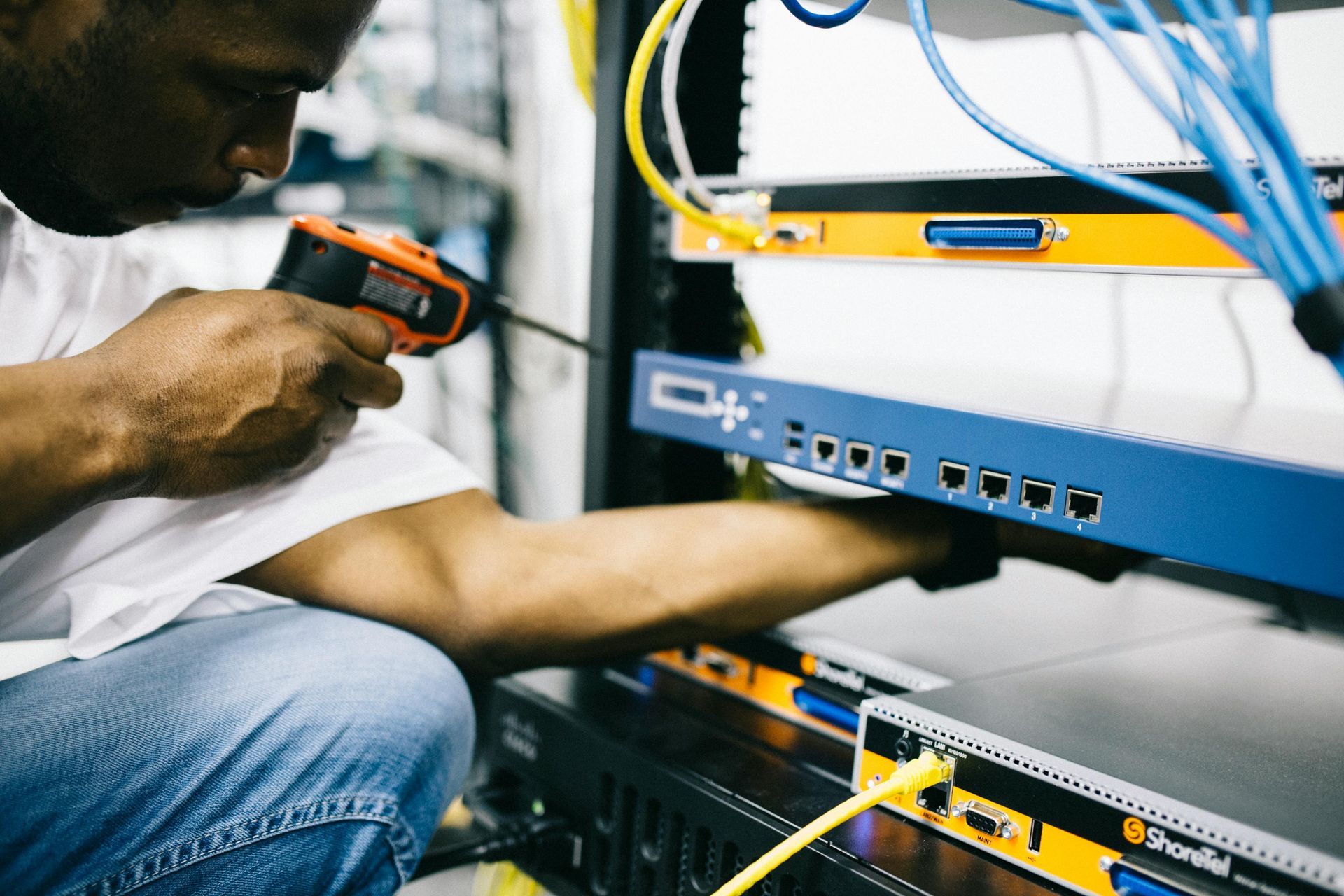
An effective structured cabling installation requires careful planning, professional expertise, and attention to retail-specific requirements. Retail environments present unique challenges, including customer access areas, merchandise displays, security considerations, and operational hours that limit installation windows. Experienced structured cabling contractors understand these constraints and develop installation strategies that minimize business disruption while ensuring optimal system performance.
The planning process should include detailed site surveys, current and future technology requirements assessment, cable routing analysis, and coordination with other building systems. Professional installers also consider factors like electromagnetic interference from retail equipment, proper cable management in customer areas, and compliance with local building codes and safety regulations. This comprehensive approach ensures that the final installation meets both technical specifications and operational requirements.
Critical planning elements include:
- Comprehensive site assessment and requirements analysis
- Detailed cable routing plans that avoid interference sources
- Coordination with existing building systems and infrastructure
- Compliance with industry standards and local regulations
- Proper documentation for future maintenance and modifications
- Testing protocols to verify system performance before activation
These planning steps ensure successful project completion and long-term system reliability.
Frequently Asked Questions
How long does structured cabling installation take in a retail environment?
Installation timelines vary based on store size and complexity, but most retail installations are completed within 3-7 business days. Professional contractors work around store hours to minimize business disruption during the installation process.
What type of cable should retail businesses use for their structured cabling system?
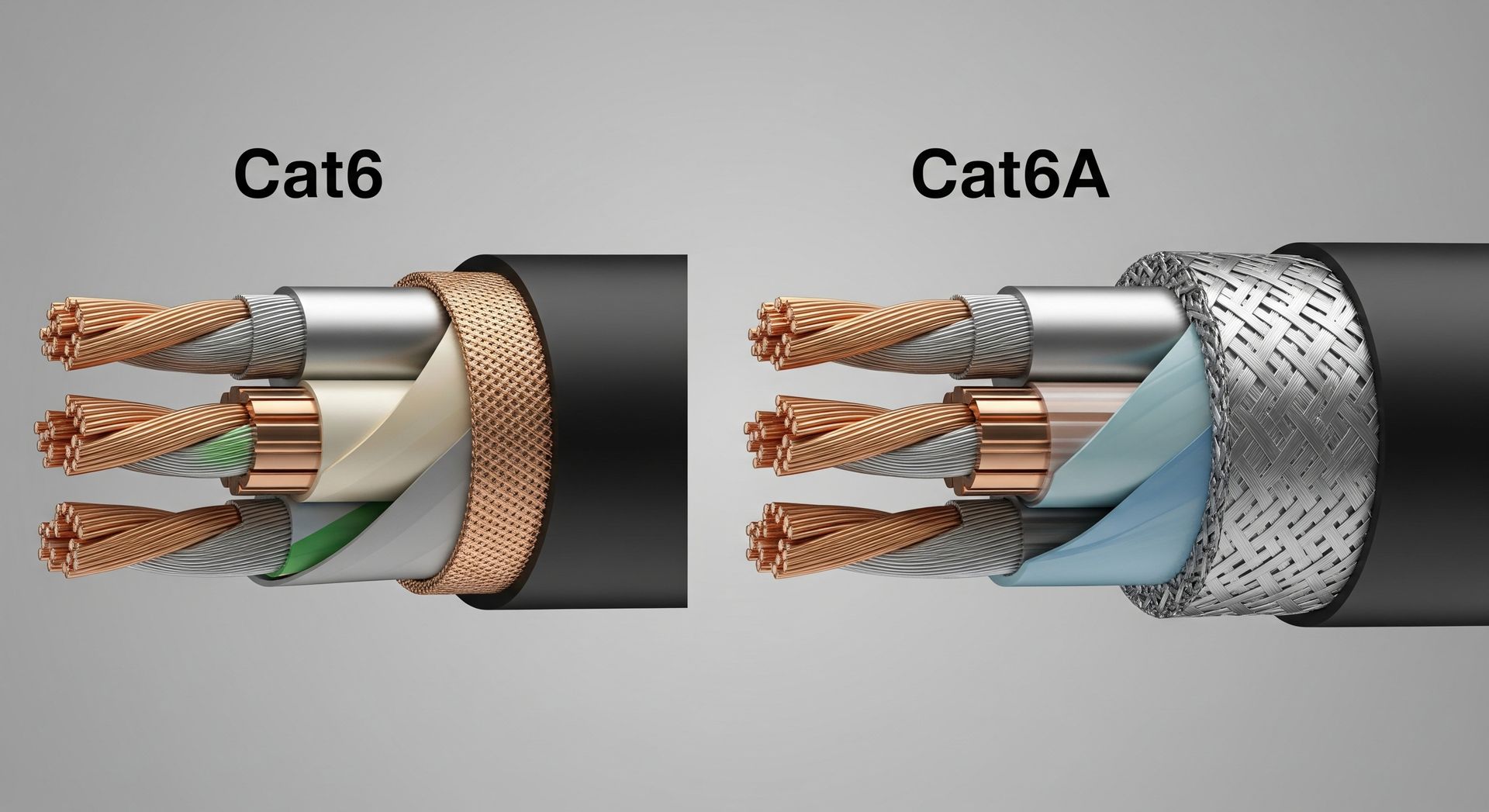
Cat 6 or Cat 6A cables provide excellent performance for most retail applications, supporting current needs while offering room for future growth. The specific cable choice depends on your bandwidth requirements, budget, and future expansion plans.
Can structured cabling support both data and voice communications?
Yes, modern cabling systems easily support both data networking and voice communications through the same infrastructure. This convergence simplifies installation and reduces ongoing maintenance requirements.
How much does structured cabling cost for a typical retail store?
Costs vary significantly based on store size, number of endpoints, and specific requirements, but typically range from $200-500 per endpoint installed. The investment pays for itself through reduced maintenance costs and improved reliability over time.
Do structured cabling systems require special maintenance?
Structured cabling requires minimal maintenance compared to traditional network installations. Annual inspections and proper documentation help ensure continued reliable performance and identify potential issues before they cause problems.
Final Thoughts
Investing in professional structured cabling represents a strategic decision that impacts every aspect of retail operations for years to come. The benefits extend far beyond simple network connectivity to encompass improved reliability, enhanced customer experience, reduced operational costs, and greater flexibility for future growth. Retailers who choose structured cabling solutions position themselves to take advantage of emerging technologies while maintaining stable, high-performance network infrastructure.
The retail industry continues to evolve rapidly, with new technologies and customer expectations driving the need for robust, flexible network infrastructure. Structured cabling provides the foundation needed to support this evolution while delivering immediate improvements in performance, reliability, and cost-effectiveness. When planned and installed by experienced professionals, these systems deliver long-term value that justifies the initial investment many times over through improved operations and reduced maintenance requirements.
Boost your store performance with professional cabling. Call for a free estimate.
Reference:
https://www.cisco.com/site/us/en/learn/topics/networking/what-is-power-over-ethernet.html
Share this article