Low Voltage Cabling Companies for Smart Office and Home Automation
The modern home and office are rapidly transforming thanks to smart technologies, automation systems, and connected devices. From automated lighting and security cameras to VoIP phones and high-speed internet, these systems all rely on a robust and reliable network infrastructure. Low voltage cabling forms the backbone of this connectivity, ensuring data, power, and communication signals are transmitted efficiently and safely.
For homeowners and businesses in need of dependable installations, partnering with professional
low voltage cabling
companies ensures that networks are set up correctly, comply with safety codes, and can support the latest technologies. This article explores the benefits of low voltage cabling, the types of systems it supports, and why hiring skilled installers is essential for both smart offices and home automation projects.
Key Takeaways
- Low voltage cabling is essential for smart home systems, office networking, and security systems.
- Professional installation ensures compliance with safety codes and prevents performance issues.
- Choosing the right cable type impacts speed, reliability, and system longevity.
- Structured cabling allows for easier upgrades and future-proofing of smart technologies.
- Combining automation systems with high-quality cabling improves convenience and productivity.
- Hiring reputable low voltage cabling companies saves time, reduces errors, and ensures warranties are valid.
Why Low Voltage Cabling Is Crucial
Low voltage cabling carries signals for communications, data, and power at lower voltages than standard electrical wiring. While it does not power major appliances, it is critical for systems like:
- Structured networks for internet and phone connections
- Security systems including cameras, alarms, and access control
- Audio-visual setups like home theaters or conference rooms
- Smart automation for lighting, climate control, and sensors
Without proper cabling, systems may experience intermittent connectivity, slow data transfer, or complete failures. In both offices and homes, the right cabling infrastructure ensures devices work seamlessly together, supports high-speed data transmission, and reduces maintenance needs.
For businesses, poor cabling can result in downtime, affecting productivity and revenue. In homes, inadequate installation may lead to frustration, recurring troubleshooting, and potential replacement costs.
Key Services Provided by Low Voltage Cabling Companies
Professional installers offer a wide range of services beyond simply running cables through walls. Top companies provide:
- Consultation and planning – Assessing your space and recommending the ideal cabling solutions.
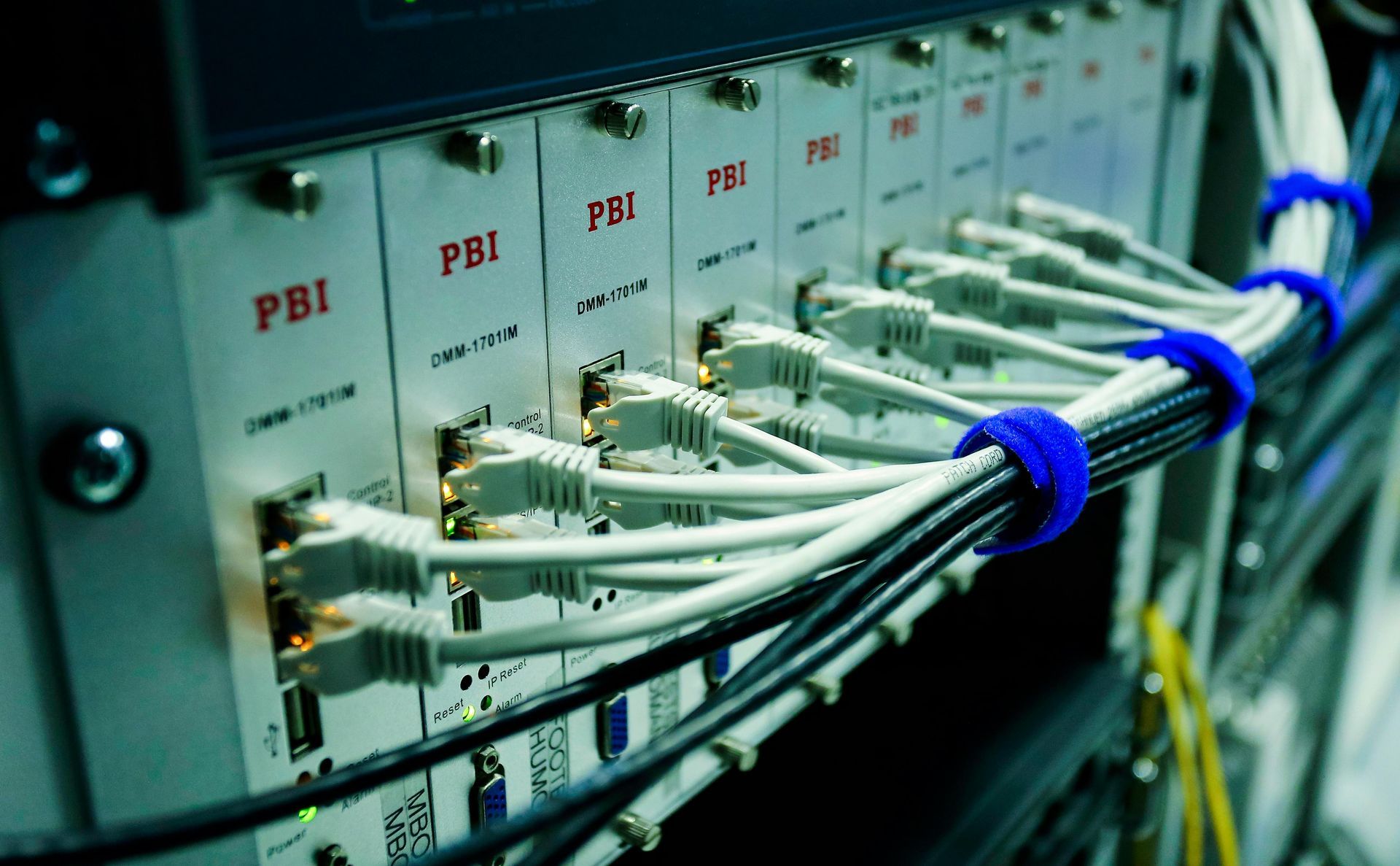
- Structured cabling installation – Running Ethernet, coaxial, and fiber optic cables efficiently and neatly.
- Smart home automation wiring – Connecting devices such as smart thermostats, lighting, and security systems.
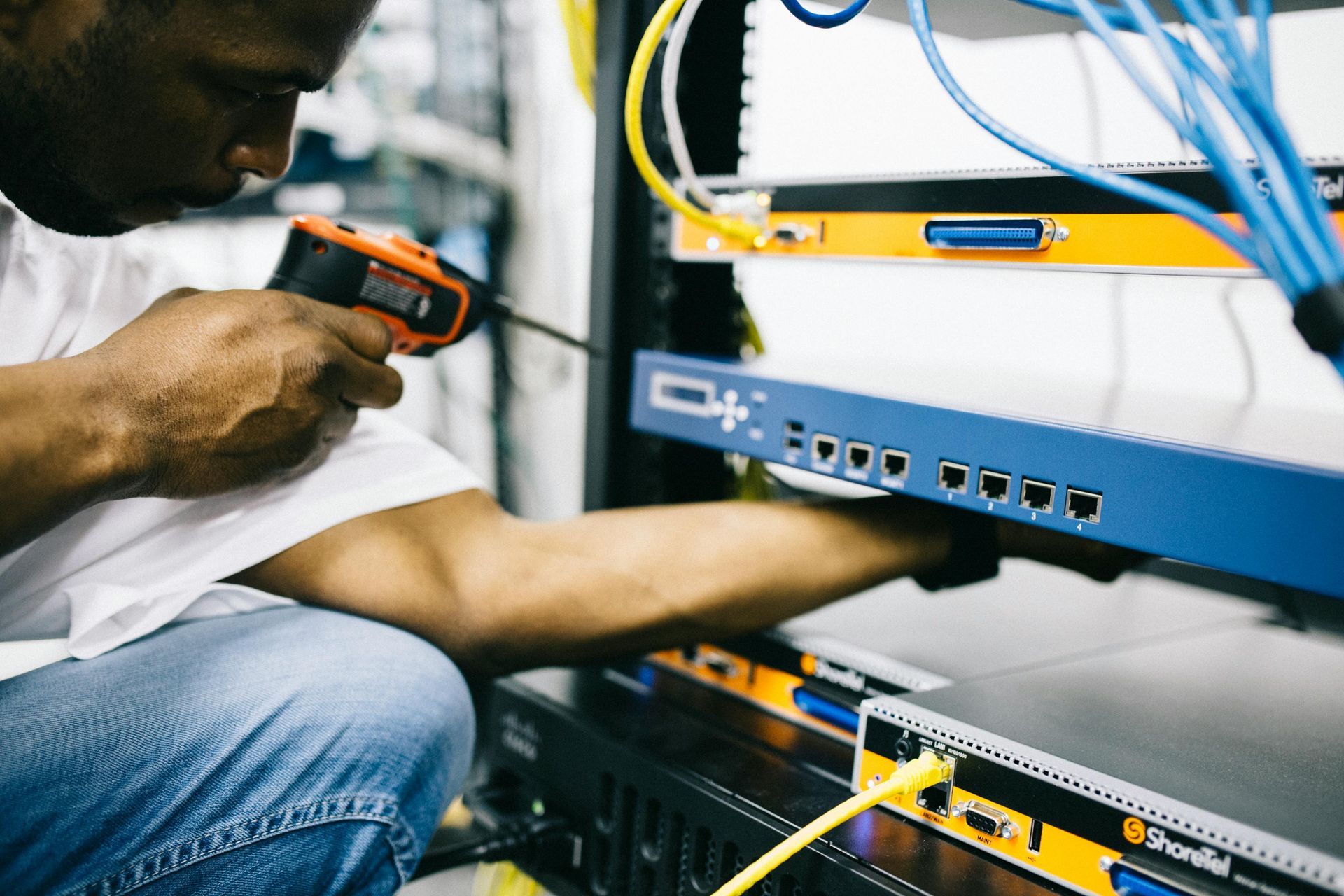
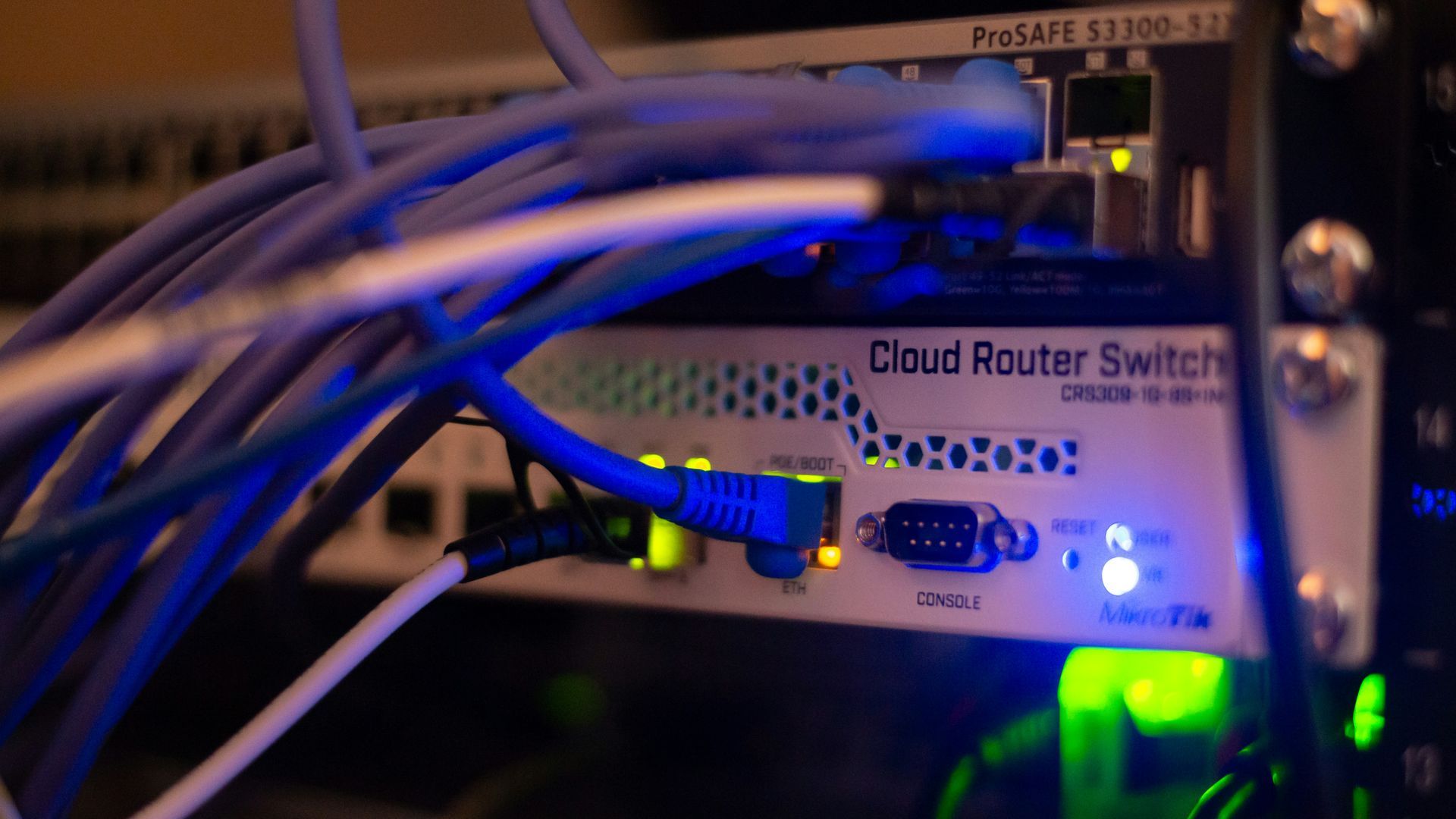
- Network and server room setup – Installing patch panels, switches, and network racks for offices.
- Maintenance and troubleshooting – Regular inspections and quick fixes for network disruptions.
- Compliance and safety – Ensuring installations meet local building codes and low voltage safety standards.
By relying on professionals, you can avoid common DIY pitfalls such as signal interference, improper cable management, or code violations.
Understanding the Types of Low Voltage Cables
Selecting the correct type of cable is fundamental to system performance. Different applications require cables with varying capacities, shielding, and specifications. Below is a consolidated table outlining the main cable types used in smart offices and home automation systems:
| Cable Type | Common Applications | Typical Speed / Distance | Key Benefits |
|---|---|---|---|
| Cat5e | Home networking, VoIP phones | Up to 1 Gbps / 100 meters | Affordable, reliable for basic networks |
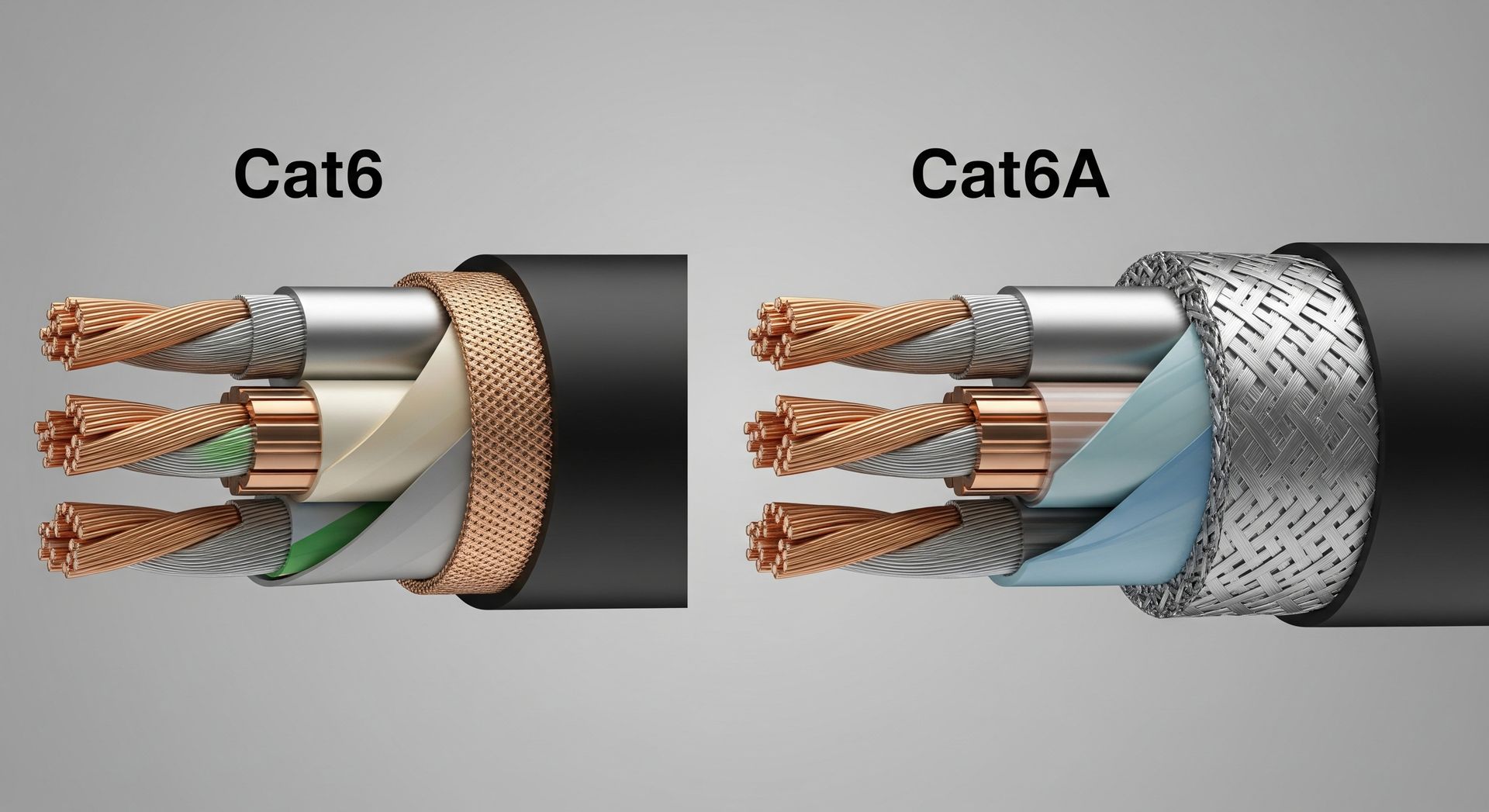
| Cat6 | Offices, high-speed networks | 10 Gbps / 55 meters | Reduced interference, faster speeds |
| Cat6a | High-performance networks | 10 Gbps / 100 meters | Future-proof, low crosstalk |
| Cat7 | Enterprise or dense networks | 10-40 Gbps / 100 meters | Shielded, high-speed, suitable for large offices |
| Coaxial | Video, security cameras | Varies / up to 1 Gbps | Stable signal for cameras, TV, and CCTV |
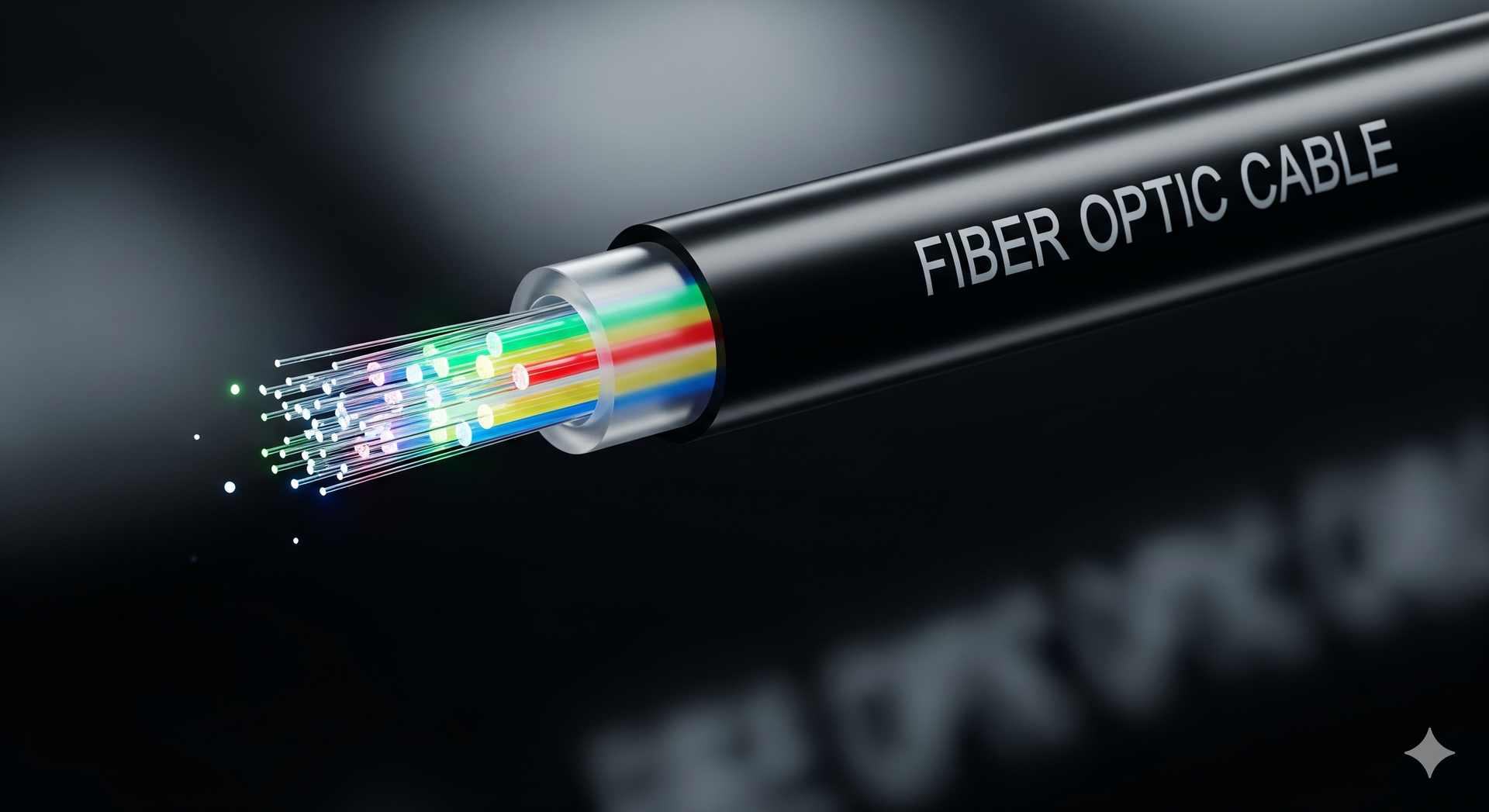
| Fiber Optic | Long-distance, enterprise networks | 100 Gbps+ / Miles | Extremely high-speed, minimal signal loss, long-range |
This table provides a quick reference for homeowners and businesses to understand which cables are ideal for their unique setups.
Smart Home Automation Applications
Smart homes are increasingly reliant on low voltage cabling. Properly installed cabling supports devices such as:
- Automated lighting – Allows for pre-programmed schedules or remote control through apps.
- Smart thermostats and HVAC systems – Maintain energy efficiency and comfort.
- Security and surveillance systems – Cameras, motion sensors, and alarms require reliable connections.
- Home entertainment systems – High-definition audio and video setups depend on proper wiring.
- Voice-controlled assistants – Integration with Wi-Fi and networked devices enhances functionality.
Using structured low voltage cabling ensures all devices are connected securely, can be upgraded easily, and avoid interference.
Smart Office Applications
Offices are equally dependent on low voltage cabling to maintain productivity. Key applications include:
- High-speed Ethernet networks – Essential for day-to-day business operations, cloud computing, and video conferencing.
- VoIP phone systems – Replaces traditional phone lines with digital, network-based communication.
- Security systems – Key card access, surveillance cameras, and alarm systems require dedicated cabling.
- Audio-visual installations – Conference rooms, projectors, and digital signage rely on low voltage infrastructure.
- Wireless access points – Connected to the network backbone via Ethernet for stable and fast Wi-Fi coverage.
Professional cabling companies can design systems that scale as the business grows, allowing for minimal downtime during expansions.
Benefits of Hiring Professional Low Voltage Cabling Companies
Relying on experienced installers offers multiple advantages:
- Time savings – Professionals plan, measure, and install efficiently, avoiding trial-and-error delays.
- Reduced stress – Homeowners and business owners do not need to handle the technical aspects themselves.
- Code compliance – Licensed installers understand local regulations, ensuring inspections are passed without issue.
- System reliability – Proper installation reduces signal loss, crosstalk, and interference.
- Future-proofing – Professionals can plan for expansion, higher bandwidth needs, and evolving technology.
- Warranty and support – Certified companies often provide guarantees and ongoing maintenance services.
By hiring a reputable company, you ensure the network is installed correctly the first time, avoiding costly reworks and system downtime.
Tips for Choosing the Right Low Voltage Cabling Company
Selecting the right installer is just as important as choosing the right cables. Consider these tips:
- Experience and portfolio – Review past projects to confirm expertise with similar systems.
- Licensing and certification – Ensure they are compliant with state and local requirements.
- References and reviews – Talk to previous clients and read online testimonials.
- Range of services – Full-service providers handle planning, installation, and maintenance.
- Transparent pricing – Detailed estimates prevent unexpected costs.
- Communication – Clear guidance and updates throughout the project enhance confidence.
Working with a trusted company ensures your automation or networking project is executed professionally and efficiently.
Installation Best Practices
Proper installation is critical to the long-term performance of low voltage systems:
- Structured cabling design – Centralized hubs with organized patch panels and routing paths.
- Labeling and documentation – Every cable labeled for easier troubleshooting and upgrades.
- Avoiding interference – Keep low voltage cables away from high voltage lines to prevent signal degradation.
- Correct grounding and shielding – Protects equipment from electrical surges and interference.
- Testing and certification – Post-install testing verifies speed, connectivity, and integrity of all cables.
Following these best practices ensures networks run reliably and reduces maintenance headaches.
Frequently Asked Questions
What is low voltage cabling used for?
It carries signals for data, communication, and power for devices such as phones, security systems, and smart home automation.
Can I install low voltage cabling myself?
While DIY is possible for simple setups, professional installation ensures reliability, compliance, and minimal interference.
How long does installation take?
Timelines vary depending on building size and system complexity, but professionals generally complete projects faster than DIY efforts.
What is the difference between Cat5e, Cat6, and Cat6a?
They differ in speed, bandwidth, and distance. Cat5e is basic, Cat6 is faster and reduces interference, while Cat6a is future-proof for high-performance networks
How often should low voltage systems be inspected?
Annual inspections are recommended for security and automation systems, while network testing may be needed whenever new devices are added.
Final Thoughts
Low voltage cabling is the backbone of modern homes and offices, enabling smart automation, high-speed networking, and reliable security systems. Choosing the right cables, planning for future expansion, and hiring professional low voltage cabling companies ensures that both residential and commercial systems function flawlessly.
From structured networking and smart home devices to complex office automation, professional installation saves time, reduces stress, and guarantees compliance with regulations. Investing in quality cabling and experienced installers protects your technology, enhances performance, and ensures long-term peace of mind.
For anyone looking to upgrade their office or home with smart technologies,
low voltage cabling is not just an accessory—it is essential.
Ready to future-proof your home or office with reliable low voltage cabling? Contact Cat5Guy today to schedule a consultation and let our expert team design, install, and maintain the network infrastructure your smart space deserves.
Reference:
https://www.gomultilink.com/blog/multilog/types-of-fiber-optic-connectors
Share this article